
Quick Answer
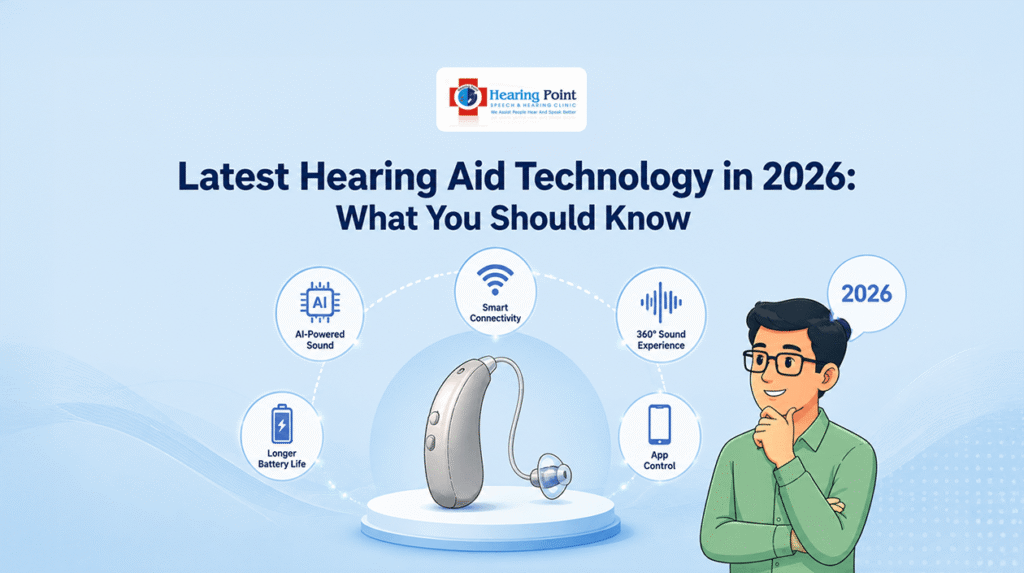
The latest hearing aid technology in 2026 includes AI-powered sound processing, Bluetooth connectivity, rechargeable batteries, and personalized sound adjustment. Modern hearing aid machines automatically adapt to different environments for clearer and more natural hearing.
Introduction
Hearing aids have evolved significantly over the years. Today’s devices are no longer just simple amplifiers—they are smart hearing solutions designed to improve your hearing experience in real-world environments.
If you are planning to buy a hearing aid, understanding the latest technology can help you choose the right device with the best features.
Key Hearing Aid Technologies in 2026
1. AI-Powered Sound Processing
Modern hearing aids use artificial intelligence to:
- Automatically adjust sound settings
- Reduce background noise
- Improve speech clarity
👉 AI helps deliver a more natural listening experience.
2. Bluetooth Connectivity
Most advanced hearing aids now support Bluetooth, allowing you to:
- Connect to smartphones
- Stream calls and music
- Control settings through apps
👉 This improves convenience and daily usability.
3. Rechargeable Hearing Aids
Rechargeable hearing aids are becoming standard.
Benefits include:
- No need to change batteries
- Easy charging overnight
- Eco-friendly solution
4. Noise Reduction Technology
Modern devices can:
- Reduce background noise
- Focus on speech
- Adapt to noisy environments
👉 Ideal for social situations and meetings.
5. Personalized Sound Adjustment
Hearing aids can now be customized based on:
- Your hearing test results
- Listening preferences
- Daily environments
👉 This ensures better comfort and performance.
6. Smartphone App Control
Many hearing aids offer app-based control:
- Adjust volume and settings
- Change listening modes
- Track hearing performance
👉 Gives users full control over their hearing experience.
Types of Modern Hearing Aid Machines
Advanced technology is available across different types:
- BTE (Behind-The-Ear): Powerful and feature-rich
- RIC (Receiver-In-Canal): Modern and comfortable
- ITE (In-The-Ear): Custom-made design
- Invisible (CIC/IIC): Discreet with smart features
Traditional vs Modern Hearing Aids
| Feature | Traditional Hearing Aids | Modern Hearing Aids |
| Sound Processing | Basic | AI-powered |
| Connectivity | None | Bluetooth enabled |
| Battery | Replaceable | Rechargeable |
| Customization | Limited | Highly personalized |
| Noise Control | Basic | Advanced |
How to Choose the Right Technology
Choose based on:
- Level of hearing loss
- Lifestyle and daily activities
- Need for connectivity
- Budget and features
👉 Not everyone needs the most advanced technology.
Common Mistakes to Avoid
- Choosing unnecessary features
- Ignoring professional advice
- Buying without testing
- Focusing only on price
Why Expert Guidance Matters
A hearing specialist helps you:
- Select the right technology
- Customize settings
- Ensure proper fitting
👉 This improves long-term results.
Quick Checklist
✔ AI or smart features required
✔ Bluetooth connectivity needed
✔ Rechargeable option preferred
✔ Proper fitting ensured
✔ Trial available
Conclusion
Hearing aid technology in 2026 is smarter, more connected, and highly personalized. From AI-powered sound processing to Bluetooth connectivity, modern hearing aids offer better comfort and performance than ever before.
Choosing the right technology depends on your hearing needs and lifestyle. With expert guidance, you can find a hearing aid that significantly improves your daily life.
FAQs
What is the latest technology in hearing aids?
AI-powered sound processing, Bluetooth connectivity, and rechargeable batteries are the latest advancements.
Are modern hearing aids better than old ones?
Yes, they offer better sound quality, customization, and connectivity.
Do hearing aids connect to smartphones?
Yes, most modern hearing aids support Bluetooth and app control.
Are rechargeable hearing aids worth it?
Yes, they are convenient and easy to use.
Do I need advanced features in a hearing aid?
It depends on your lifestyle and hearing needs.